Published by Mercado do Colchão on January 9, 2026
Anti-Bedsore Mattress: How to Choose the Best Solution
In this article, we explain how to choose an anti-bedsore mattress based on practical and realistic criteria.
Choosing the right mattress is one of the cornerstones of prevention and comfort. But there is one important point: not all anti-bedsore mattresses are the same. Some are medical devices (usually alternating air) and others are rest mattresses that reduce pressure points and help create safer conditions in everyday life.
In high-risk situations or when bedsores already exist, the choice of mattress should always be supervised by a healthcare professional.
What are bedsores and why do they occur?
When a person spends many hours in bed—due to illness, recovery, advanced age, or reduced mobility—the skin and tissues are subject to continuous pressure.
Bedsores occur when there is prolonged pressure on an area of the body, which reduces local blood circulation. With less oxygen and nutrients, the skin and tissues become more vulnerable and can be damaged.
These lesions often begin with persistent redness and can develop into more serious wounds.
Most common areas
- Sacrum (coccyx area);
- Heels;
- Hips and trochanters (sides of the hip);
- Shoulders and shoulder blades;
- Elbows.
Who is most at risk?
- People who are bedridden or have very limited mobility;
- Elderly people (more fragile skin and lower blood perfusion);
- People with diabetes, vascular problems, or malnutrition;
- Wheelchair users for long periods;
- Postoperative patients requiring prolonged rest.
Anti-bedsore mattress: what is it?
The term "anti-bedsore mattress" is used to describe two broad approaches:
Alternating air mattress overlays (medical device)
These are systems with air cells that alternately inflate and deflate, changing the contact points and reducing continuous pressure. They are most suitable for high-risk cases or when injuries already exist and clinical monitoring is required.
Rest mattresses with high pressure relief capacity
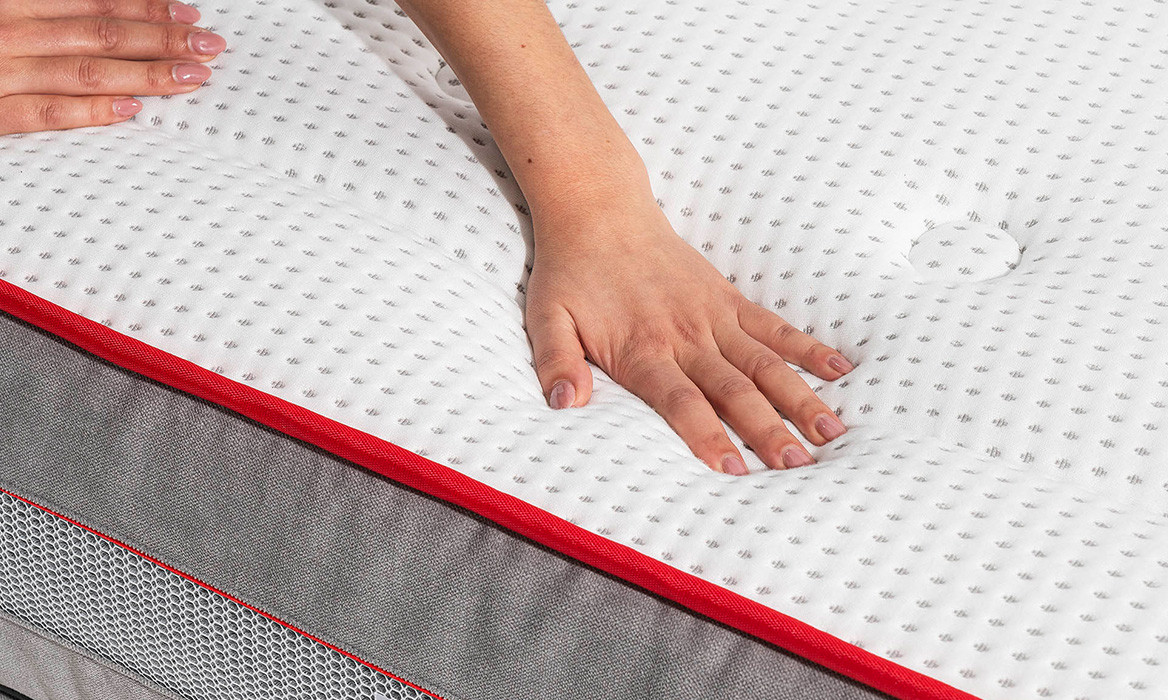
They include materials such as high-density foam that adapt to the body and reduce pressure peaks. These are very useful options for low to moderate risk, in a home setting, and to improve comfort during prolonged rest.
It is important to distinguish between prevention and treatment. An anti-bedsore mattress can significantly reduce the risk of lesions, but it does not replace clinical care when bedsores are already present. In these cases, professional assessment is essential.
Anti-bedsore mattress: what is it for?
A mattress designed to prevent bedsores must fulfill three objectives:
- Distribute weight more evenly (fewer pressure "hot spots");
- Keep your body aligned (less friction and shearing when moving);
- Manage temperature and humidity (drier skin equals lower risk).
That is why materials that fit well and provide stable support can make a difference in comfort and skin protection.
Viscoelastic anti-bedsore mattress: when does it make sense?
The memory foam anti-bedsore mattress is one of the most popular choices for home use for one simple reason: it molds to the body, reducing pressure on critical areas such as the hips, shoulders, and sacrum.
Advantages of memory foam
- Good pressure relief capacity;
- High comfort for those who spend a lot of time lying down;
- Helps reduce painful micro movements (useful during convalescence);
- It can be combined with suitable bed bases and mattress covers.
Things to keep in mind:
- If the person sweats a lot, it is advisable to choose solutions with better breathability (e.g., breathable covers, well-ventilated comfort layers).
- Waterproof and washable covers facilitate hygiene and help control moisture, reducing the risk of skin lesions;
- In cases of high risk or the presence of wounds, an alternating air system may be necessary with clinical indication.
Anti-bedsore mattress for adjustable beds
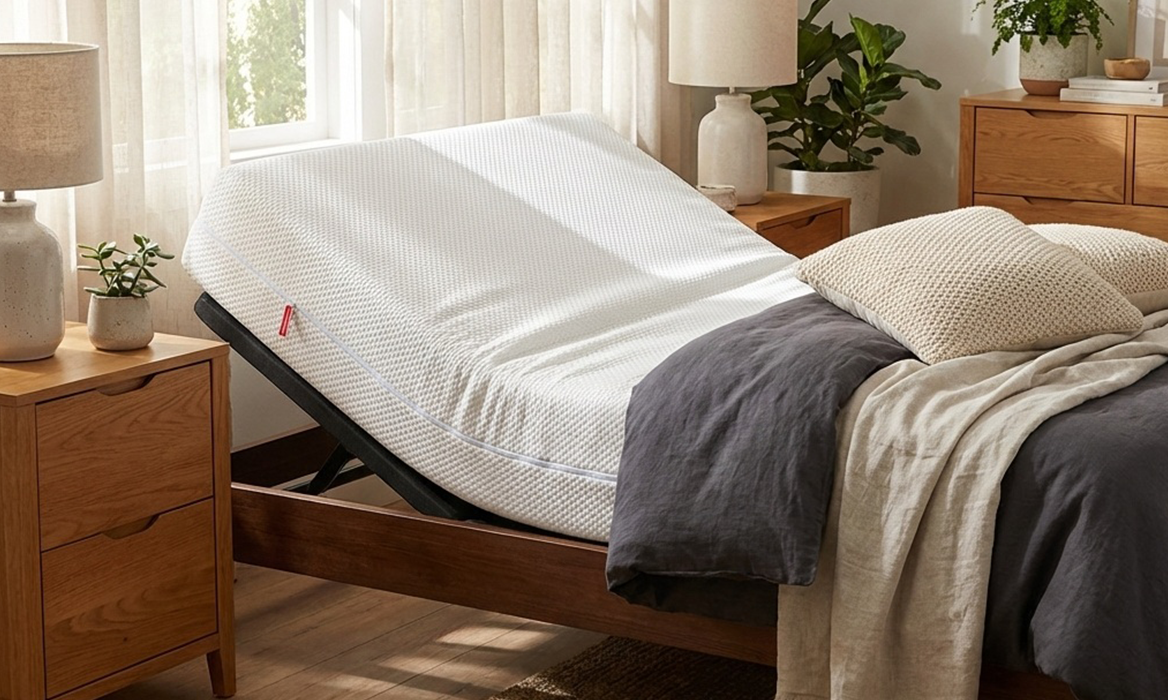
In situations of prolonged rest, reduced mobility, or for bedridden individuals, the compatibility of the mattress with adjustable beds is a determining factor. Not all mattresses adapt correctly to the curves of the bed frame, which can compromise comfort, posture, and pressure distribution.
In these cases, it makes sense to choose mattresses specifically designed for this type of use. The Intense Mattress, suitable for adjustable beds, is designed to follow the movements of the bed frame without losing support or stability, maintaining a balanced distribution of pressure points.
With a high-density profiled foam core, it allows:
- Better adaptation to the curves of the adjustable bed;
- Reduction of pressure spikes in critical areas;
- Increased comfort during extended periods of rest;
- Easier positioning and repositioning.
This type of mattress is especially suitable for low to moderate risk, convalescence, the elderly, or people who spend many hours in bed, and should always be integrated into an appropriate care routine.
Double anti-bedsore mattress: what changes in a double bed?
A double anti-bedsore mattress must combine two aspects: pressure relief and support stability (so as not to create "sagging" that hinders movement and changes in position).
What to look for in a double mattress?
- Independence of movements (useful if one of the users moves around a lot);
- Consistent support to facilitate transfers and repositioning;
- Materials that reduce pressure without excessively "swallowing" the body;
- Suitable size (ideally 160x200 cm or larger, when space allows).
In many cases, a practical solution is to opt for a double mattress with a good support base. We recommend our sets, which combine firm and comfortable mattresses with stable bases such as box springs or suitable bed frames.
How to choose an anti-bedsore mattress?
Before purchasing, please confirm:
- Risk level (low, moderate, or high). If at high risk, consult a healthcare professional;
- User weight: mattresses that are too soft may lose their effectiveness;
- Ease of mobility: prevent excessive sinking if the person repositions themselves;
- Breathability and hygiene: washable covers and good moisture management make a difference;
- Suitable base: a good mattress needs a stable base.
Frequently asked questions
Does an anti-bedsore mattress guarantee that bedsores will not appear?
No single solution is guaranteed. The mattress helps reduce pressure, but prevention also depends on repositioning, skin care, nutrition, and monitoring when necessary.
Is memory foam the best option?
It is one of the best options for pressure relief, as long as it is balanced with support. For people who need to move easily, excessive sinking can make this difficult.
Can I use a double mattress if only one person is at risk?
Yes. A well-chosen anti-bedsore mattress offers comfort for both, and should prioritize stability, support, and pressure relief.
If you are looking for an anti-bedsore mattress, think of it as a tool to reduce pressure points, improve comfort, and support preventive care.
At Mercado do Colchão, you will find mattresses and accessories that help create a more comfortable bed, ready for long periods of rest.