
Published by Mercado do Colchão on February 27, 2026
Nighttime Awakenings: Why Do You Wake Up So Often During the Night?
Experiencing nighttime awakenings, or waking up many times during the night, is more common than you might think. It may seem like just a bad night's sleep, but when nighttime awakenings become frequent, they begin to affect sleep quality, mood, concentration, and even health.
If you feel like you have intermittent sleep, waking up multiple times, this article is for you. We will explain what nighttime micro-awakenings are, why they happen, and how you can improve your rest—including the importance of the right mattress and accessories to restore deep sleep.
What are nighttime micro-awakenings?
During the night, our sleep is organized into sleep cycles. On average, an adult goes through 4 to 6 cycles, alternating between light sleep, deep sleep, and REM sleep.
Between these sleep cycles, there may be brief moments of wakefulness called nocturnal micro-awakenings.
These episodes are normal, but when they occur frequently, they can lead to fragmented sleep, making rest less restorative.
The problem arises when:
- They are frequent or prolonged;
- You have difficulty falling back asleep;
- You feel that your sleep is not restful.
When this occurs, we are faced with a pattern of intermittent sleep, which may be associated with different sleep disorders.
Why do I wake up so often during the night?
There are several reasons for waking up during the night. Some are temporary and related to daily habits, but others may indicate sleep disorders and warrant medical attention.
Sleep Apnea
Obstructive Sleep Apnea Syndrome (OSAS) is one of the most common causes of sleep fragmentation because it causes repeated breathing pauses that interrupt rest cycles, leading to:
- Frequent micro-awakenings;
- Feeling of poor sleep quality;
- Daytime sleepiness.
When treated properly, sleep fragmentation decreases and there is an immediate increase in deep sleep, significantly improving sleep quality.
Intermediate insomnia
When the difficulty is staying asleep and waking up many times during the night, we refer to this as middle-sleep insomnia.
Insomnia is a subjective experience of insufficient or poor-quality sleep, even when conditions for sleeping are adequate. It is often associated with:
- Stress and anxiety;
- Mood disorders;
- Chronic pain;
- Disrupted sleep patterns.
If nighttime awakenings persist for more than six months, they can create a vicious cycle: the fear of not sleeping becomes the main obstacle to rest.
Restless Leg Syndrome
It is characterized by an uncomfortable sensation in the legs and a constant need to move them, making it difficult to fall asleep and stay asleep.
This condition can cause multiple nighttime awakenings, seriously compromising the importance of sleep for physical and mental health.
Everyday factors
Not all sleep disorders have a clinical origin. Often, the cause lies in habits:
- Heavy or late dinners;
- Consumption of alcohol or caffeine;
- Using your cell phone before bed—check out our article on the effects of blue light before bedtime;
- Excessive stress;
- Inappropriate room temperature.
Even an uncomfortable mattress can contribute to waking up frequently during the night.
The impact of nighttime awakenings on the body
During deep sleep, the body regenerates tissues, consolidates memories, balances essential hormones, and strengthens the immune system.
That said, when sleep is intermittent and fragmented, the body is unable to complete sleep cycles properly, compromising the restorative functions of rest.
Common consequences:
- Constant fatigue;
- Irritability;
- Difficulty concentrating;
- Increased sensitivity to pain;
- Increased risk of metabolic problems.
In the long term, fragmented sleep can seriously affect health and quality of life.
How can you improve the quality of your sleep?
If you wake up frequently during the night, the first step is to identify the cause. However, there are simple changes that can make a big difference.
1. Respect sleep cycles
- Go to bed when you feel natural signs of sleepiness, such as yawning, heavy eyes, or decreased attention.
- Avoid going to bed too early, so as not to interrupt the natural rhythm of your sleep cycles;
- Maintain regular schedules to stabilize your biological clock and reduce nighttime awakenings.
2. Take care of the room environment
The bedroom should be a space dedicated exclusively to rest.
- Ideal temperature: around 19°C;
- Dark environment ( blackout curtains help);
- Comfortable bed that is easy to clean;
- Silence or soft white noise;
- Good daily ventilation.
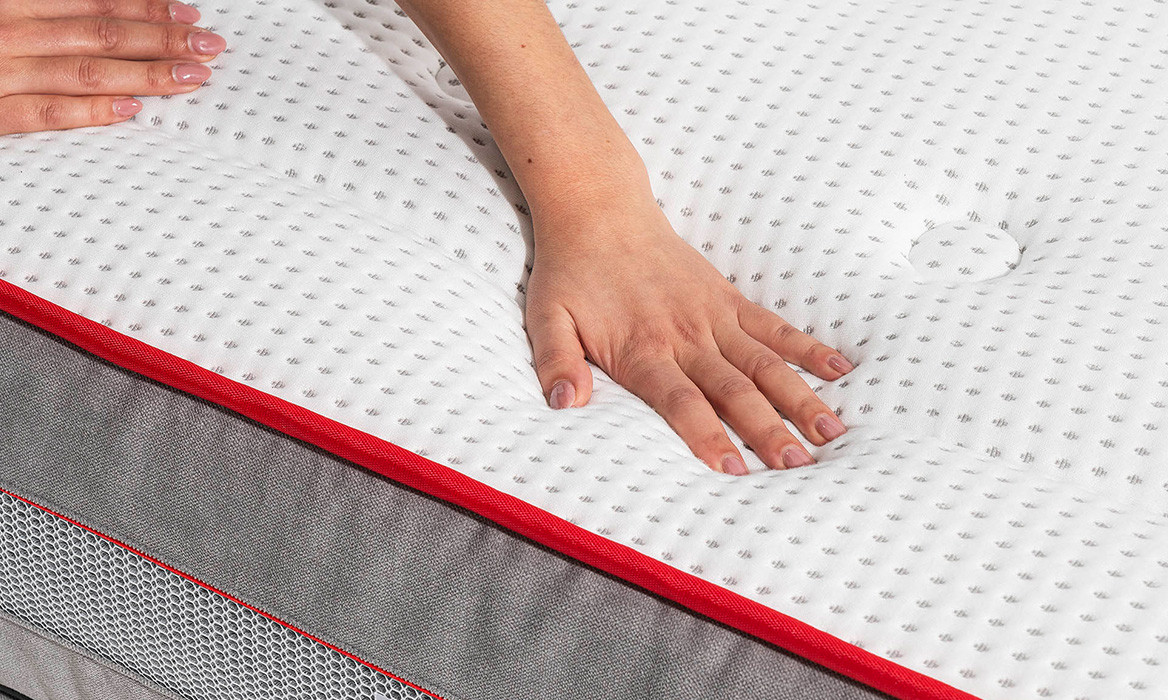
3. Invest in a suitable mattress
An unsuitable mattress can increase micro-awakenings, especially if it causes pressure points or misalignment of the spine.
At Mercado do Colchão, we offer solutions that help improve sleep quality, such as:
- Pocket spring mattresses for better movement independence, ideal for those who sleep with a partner;
- Toppers that renew the comfort of an older mattress;
- Ergonomic pillows that reduce neck strain.
If you frequently wake up with pain or discomfort, it may be time to reevaluate your sleep system.
4. Melatonin and magnesium
Melatonin, known as the sleep hormone, can help in specific situations where it is difficult to stay asleep. Its natural production decreases with age.
Magnesium also contributes to reducing fatigue and to the normal functioning of the nervous system. However, any supplementation should be done with professional advice.
When should you seek help to sleep better?
If you wake up frequently during the night, or if your waking is intense or accompanied by other symptoms such as breathing pauses, excessive sleepiness, or constant tiredness, you should seek medical evaluation to rule out possible sleep disorders.
A complete sleep system— mattress, box spring, pillow, and appropriate bedding—can significantly reduce micro-awakenings caused by physical discomfort.
If you frequently wake up during the night feeling uncomfortable or in pain, the problem may not only be your sleep, it may be your mattress. Discover our solutions and transform your sleep.