
Published by Mercado do Colchão on January 29, 2026
Bedding: What Affects Sleep Quality
Bedding and sleep are directly linked to how we rest each night. Although the mattress is essential for comfort, factors such as fabric, breathability, suitability for summer and winter, and bed linen hygiene have a real impact on the quality of your sleep and how you wake up each day.
Throughout this article, you will discover how to choose bedding for summer and winter, what the best fabric is, and what simple steps can help you sleep better and improve your rest.
Bed linen and sleep: why do they make a difference?
Bed linen is in direct contact with the skin for 7 to 9 hours per night. This means that it influences:
- Thermal comfort (feeling of warmth or cold during the night);
- Sweating and feeling damp;
- Skin irritations and allergies (dust, dust mites, non-breathable fabrics);
- The perception of comfort: softness and a feeling of being cocooned.
In other words, to sleep well, a good mattress is not enough: it is necessary to create a suitable "microclimate" between the body and the bed.
If you have already read our article " Sleep: Frequently Asked Questions and Tips for Better Sleep ," you know that small adjustments to your bedroom environment can have a significant impact.
Winter bedding: thermal comfort
Winter bedding should provide warmth without causing overheating, which can lead to night sweats and frequent waking.
What to look for in winter bedding?
- Thicker fabrics;
- Good heat retention, while remaining breathable;
- Quilts suitable for the season.
Here, the choice of duvet can be decisive. We recommend our Percale Duvet, which offers extra comfort and excellent thermal regulation. Made from percale fiber, it is perfectly suited to the winter season.
Summer bedding: cooler, fewer wake-ups
Sleeping with a feeling of heat is one of the main causes of waking up during the night. The solution starts with choosing fabrics that offer good breathability and effective moisture management.
What to look for in bedding for a good night's sleep?
- Lightweight and breathable fabrics;
- Good sweat absorption;
- A sensation of freshness to the touch;
- Avoid fibers that retain heat.
Enhance freshness with the right mattresses
In addition to bedding, mattresses can play a complementary role in temperature regulation. The following options are particularly relevant:
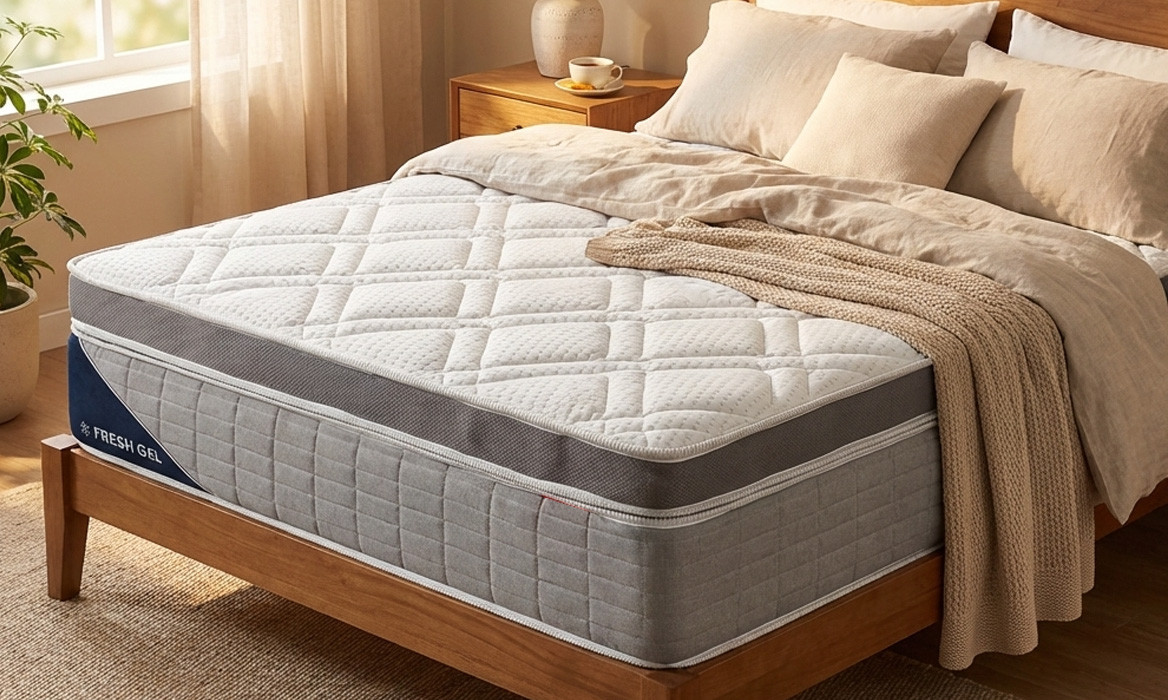
- Fresh Gel Mattress : designed for soft and stable sleeping thanks to its high-resistance core. It incorporates Gel Fresh memory foam that dissipates body heat and unwanted odors;
- Nature Cloud Graph Mattress and Air Graph Mattress – Foam : made from graphene, they help regulate body temperature and offer natural antibacterial protection, keeping the mattress clean and fresh.
The best fabric for bed linen
The best fabric depends on what your body needs to maintain a comfortable temperature and feel pleasant to the touch.
However, certain criteria are universal:
- Breathability – allows air to circulate and reduces humidity;
- Softness – sensory comfort helps you relax and fall asleep;
- Durability – retains its quality after frequent washing;
- Adaptation to the season – light in summer, warmer in winter.
If you have sensitive skin or allergies, the choice of fabric and how you wash and care for your bedding are even more important.
Sleep hygiene routine
Keeping all the elements that contribute to a good night's sleep properly clean is essential. Simple actions can make all the difference, such as:
- Change sheets and pillowcases (more frequently in summer);
- Air the room and the bed every day;
- Prevent moisture buildup (do not make the bed immediately after waking up);
- Use appropriate protection to keep the mattress clean.
Tips for improving sleep quality
To improve sleep quality, adapt your bedding to the season and improve the hygiene of your sleep accessories, such as bedding and pillows. In addition:
- Use pillows that are suited to your sleeping position to ensure that your head and spine are properly aligned.
- Maintain a balanced room temperature, promoting deeper and more continuous sleep;
- Choose natural, breathable fabrics, especially during periods of intense heat.
A good pillowcase is important, but the right pillow is the finishing touch for a perfect night's sleep. Choose a pillow that suits your sleeping needs, complementing your mattress with a product that is perfectly suited to your body shape.
The quality of sleep is built night after night. And even though the mattress is the foundation of rest, the relationship between bedding and sleep is crucial: by choosing the right fabric, adapting the bed to the climate, and maintaining a good cleaning routine, it is possible to sleep well and enjoy quality sleep, with fewer wake-ups and more rest.