

Posted by Mercado do Colchão on October 23, 2026
Double Mattress: Why Is Freedom of Movement So Important?
Sharing a bed doesn’t mean having exactly the same sleep habits. When one person changes positions frequently, the other may feel those movements and wake up more often. That’s why, when choosing a double mattress, it’s worth looking beyond size and firmness: motion isolation can make all the difference in both of your comfort.
Some couples go to sleep at different times, some people get up during the night, and others simply move around more while they sleep. A mattress that minimizes the transfer of these movements helps make the bed a more stable space, without requiring both partners to sleep in the same way.
What is motion isolation in a mattress?
Motion isolation, also known as bed isolation, is a mattress’s ability to reduce the transfer of movement from one area to another. When someone turns over or sits up at one end of the bed, the goal is to minimize the disturbance felt on the opposite side.
This doesn't mean the mattress is completely motionless, nor does it guarantee that no one will wake up during the night. It does mean, however, that its construction can help isolate some of the motion and provide a greater sense of stability.
Why is it so important when we sleep as a couple?
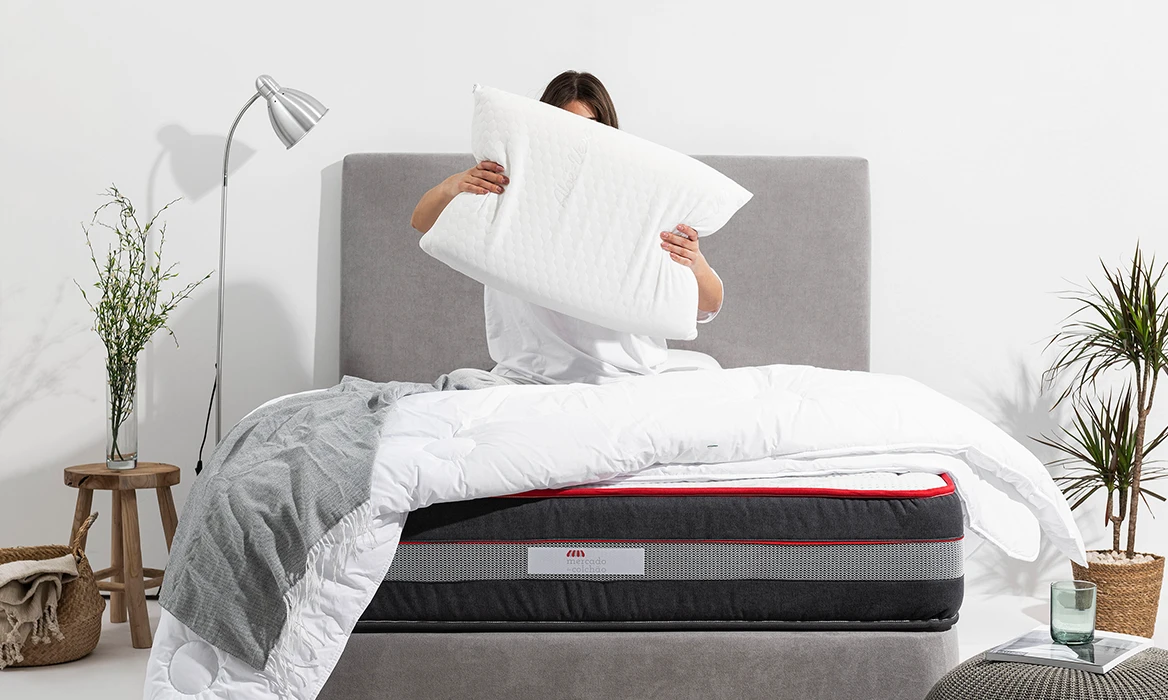
Imagine that one person falls asleep early and the other goes to bed later. Or that, during the night, one of them changes position several times. On a mattress that easily transmits movement, these small movements can be felt on the other side. For those who are light sleepers, the difference becomes particularly noticeable.
Independence of movement is also important when there are differences in weight or comfort preferences. Each person exerts pressure on different areas of the surface; a good support system should respond in a balanced way, without causing excessive movement on the partner’s side.
It is important, however, to distinguish between two needs: reducing the transfer of movement and finding a level of firmness that is comfortable for both partners. A mattress can effectively isolate movement and still not provide the level of comfort preferred by the couple.
What types of mattresses help reduce motion transfer?
Pocket springs: more localized response
In pocket-spring mattresses, each spring is individually wrapped and can respond to pressure with greater independence than in a system of interconnected springs. This helps limit the transfer of motion between the two sides of the bed and adapt the support to different areas of the body.
Foams and memory foam: absorption and adaptation
Foams, especially certain viscoelastic formulations, can also absorb motion and create a more enveloping feel. The experience depends on the density, elasticity, and combination of layers: not all foam mattresses respond in the same way.
Hybrid models often combine pocket springs with layers of foam or memory foam. This design aims to balance support, body contouring, and reduced motion transfer, but the results vary from model to model.
How do you choose a double mattress when one of you moves around a lot?
Before making a decision, think about what really bothers you at night. If the problem is feeling every time your partner changes position, prioritize a mattress with good motion isolation. If the discomfort stems from a lack of space, it might be more helpful to reconsider the bed’s dimensions. And if you wake up with pressure on your shoulders or hips, the firmness and comfort layers deserve special attention.
When comparing models, try testing the surface as a pair: while one person lies down in their usual position, the other can change positions or sit at the edge. This test isn’t a substitute for a full night’s sleep, but it helps you understand how the mattress responds.
Also make sure the mattress provides adequate support for both of you, that its height and dimensions are compatible with the bed, and that the materials offer the warmth and comfort you’re looking for. The best choice is one that balances both of your needs, rather than prioritizing just one feature.
Motion-Isolating Mattresses on the Mattress Market
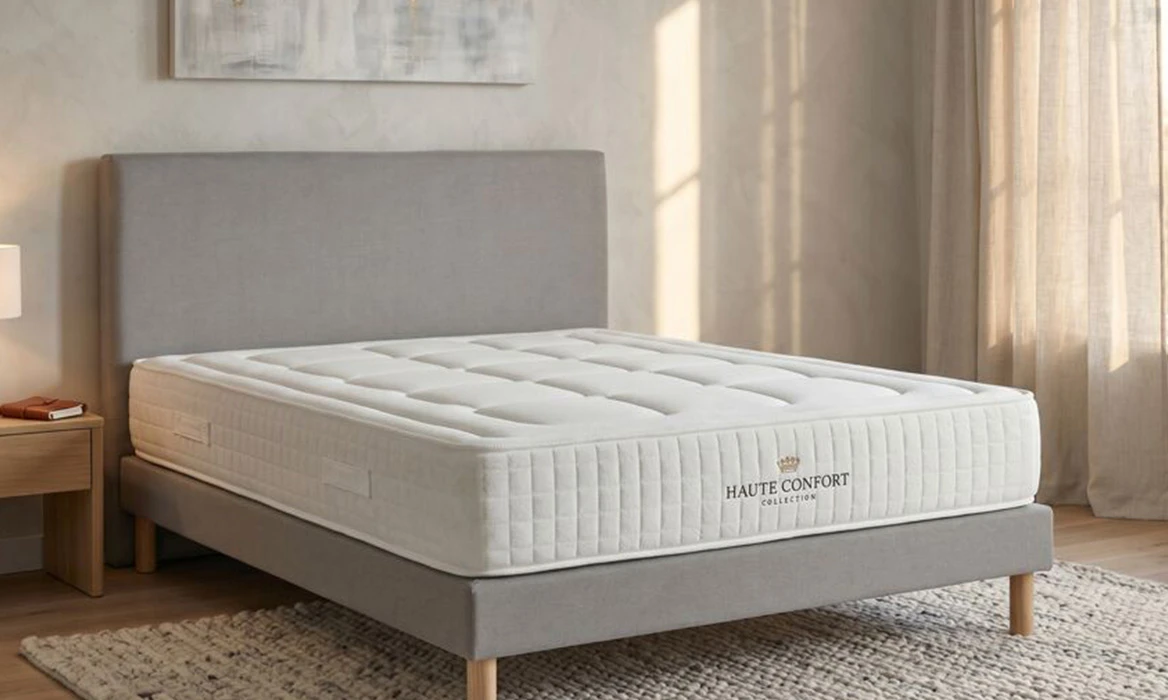
One option to consider is the Villeroy pocket-spring mattress. This Haute Confort model combines individual pocket springs, HR foam lumbar support, and a built-in memory foam topper. The product description specifically highlights the personalized support and motion isolation, features that are important for those who share a bed.
Another option is the Deluxe Comfort Mattress. It features medium firmness, a pocket spring system with independent support, a layer of memory foam, and viscose fabric. It’s an option worth considering when looking for balanced support and reduced motion transfer.
To discover other options, explore our selection of pocket-spring mattresses. They come in different firmness levels, constructions, and price ranges, so it’s worth comparing the features of each model before making your choice.
Sleeping together more comfortably starts with making better choices
Motion isolation isn’t just a technical feature: it can result in a more stable bed when sleeping habits differ. But it shouldn’t be considered in isolation. Support, firmness, materials, and dimensions remain essential for both partners to feel comfortable.
At Mercado do Colchão, you’ll find a variety of options to tailor your choice to the couple’s needs, without compromising on value for money. Explore our mattresses and find a solution that lets you share a bed while ensuring everyone’s comfort.