
Posted by Mercado do Colchão on March 20, 2026
Ideal Room Temperature: What Is the Best Temperature for Sleeping?
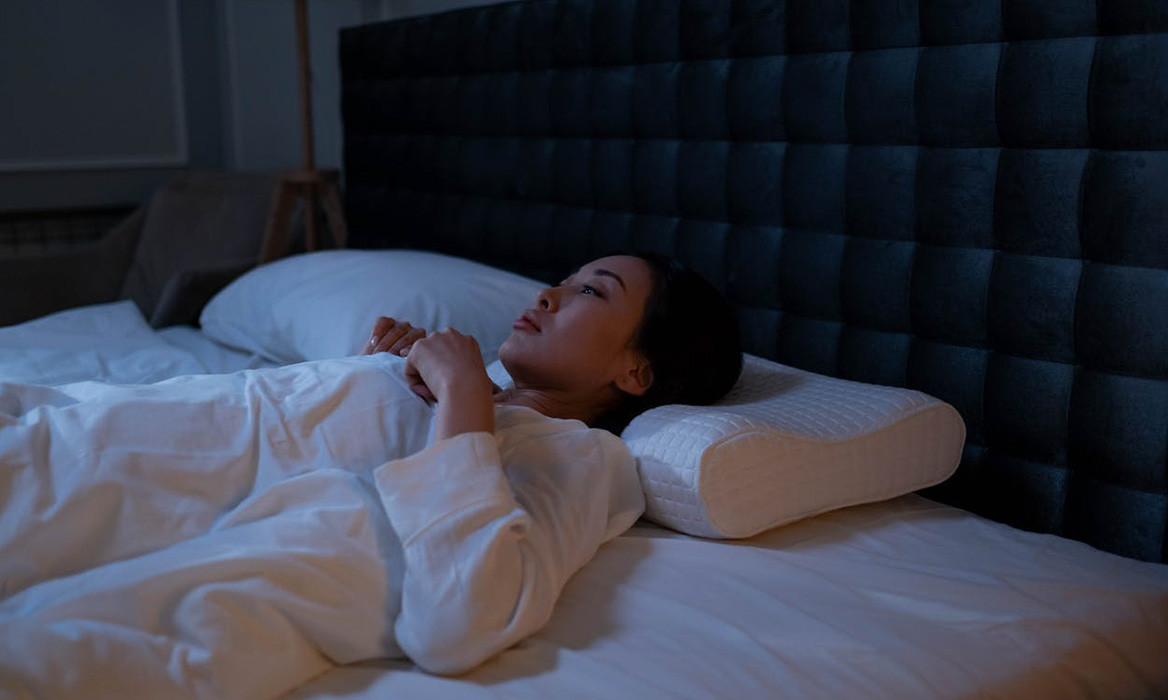
The ideal room temperature is one of the most important factors in ensuring comfort and a good night’s sleep. If you’ve ever woken up sweating during the night or feeling too cold, you know how room temperature can affect your sleep.
In this article, we explain what the best temperature is for sleeping, how to set the ideal air conditioning temperature, and why the right environment makes all the difference in sleep quality.
What is the ideal room temperature for sleeping?
The ideal temperature for sleeping is generally between 18°C and 22°C.
This break helps the body to:
- Naturally lower body temperature;
- Fall into a deep sleep more easily;
- Avoid waking up at night due to excessive heat or cold.
When the room temperature is too high, the body has trouble dissipating heat, which can lead to excessive sweating and lighter sleep. On the other hand, a room that is too cold can cause muscle tension and discomfort.
Maintaining the ideal temperature at home, especially in the bedroom, is essential for ensuring a stable and comfortable environment throughout the night.
How does body temperature vary throughout the night?
During the night, the body naturally lowers its temperature to help you fall asleep and sleep deeply.
If the room is too hot, this natural process is interrupted. The result may be:
- Intermittent sleep;
- Difficulty reaching deep stages of sleep;
- More likely to wake up during the night.
Creating an environment with the ideal room temperature helps the body complete sleep cycles more effectively.
Why do I sweat so much at night?
Sweating at night can be related to various factors, but air temperature is one of the most common.
Some common causes:
- The room is too hot;
- Bedding that isn't very breathable;
- Heat-retaining mattress;
- Excessive humidity in the environment.
If you find yourself waking up feeling hot, it might not just be the room temperature. A mattress with good temperature-regulating properties can make a big difference.
Models such as the Fresh Gel Foam Mattress have been developed using technology that helps dissipate body heat, providing a cooler and more comfortable sleeping experience. For those seeking year-round thermal balance, the Air Graph Mattress, with its thermoregulatory properties, is an excellent choice for improving sleep quality.
If you usually use air conditioning to regulate the temperature, the way you do it can help maintain comfort without making it too cold at night.
Air conditioning temperature for sleeping
If you use air conditioning, you should avoid setting the temperature too low. The ideal temperature for sleeping is between 19°C and 21°C.
Important tips:
- Avoid directing the airflow directly at the bed;
- Use night mode or the timer;
- Be sure to provide adequate ventilation during the day.
The air conditioning temperature should be comfortable, not too cold.
What is the ideal temperature for sleeping in the winter?
In winter, many people turn the heat up too high. However, the ideal temperature for sleeping is between 18°C and 20°C.
More important than overheating the room is ensuring thermal comfort by making the right choices:
- Use appropriate bedding;
- Choose a comforter that's appropriate for the season;
- Ensure that the mattress provides thermal comfort.
A good cooling system helps maintain a comfortable temperature without the need for excessively high settings.
Temperature and mattress: the perfect combination for better sleep
Room temperature is essential, but the mattress also plays a key role.
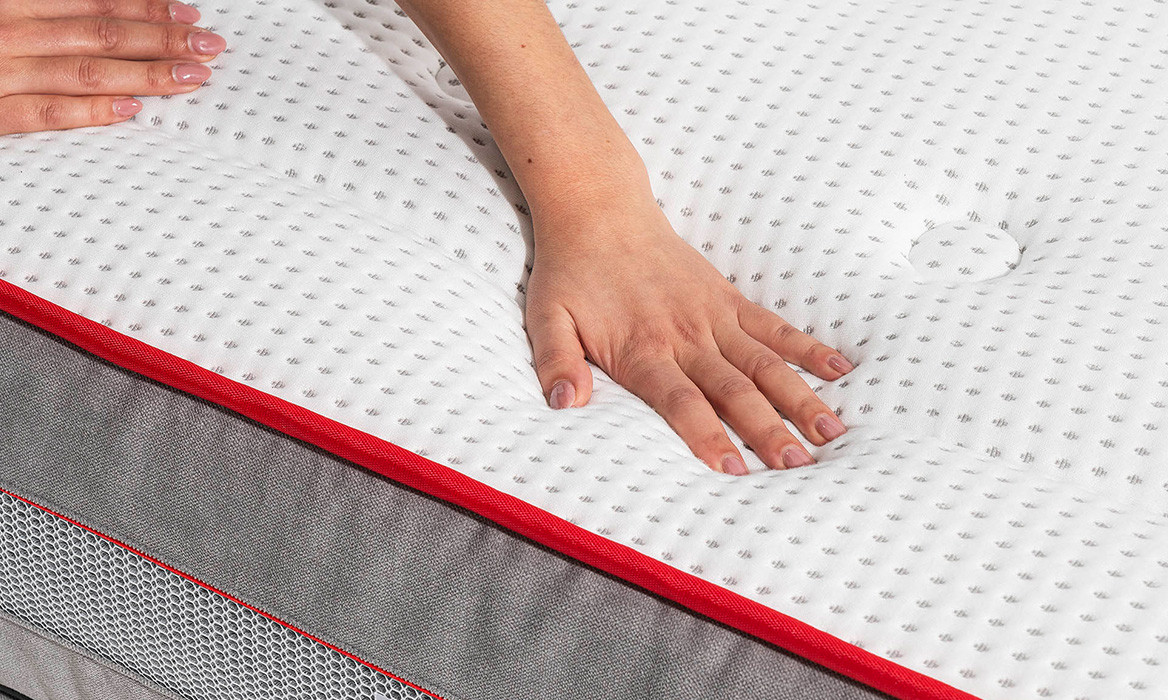
If your mattress traps heat or doesn't allow for proper ventilation, you may feel uncomfortable even if the room temperature is set correctly.
At Mercado do Colchão, you’ll find a variety of options, such as mattresses featuring heat-dissipating technology, breathable fabrics, and thermoregulatory materials that help maintain a stable temperature.
Investing in a good mattress means investing in the quality of your sleep.