

Published by Mercado do Colchão on March 5, 2026
Plants for Bedrooms: The Best Plants to Have in Your Bedroom for Better Sleep
In a space designed for recharging your batteries, knowing which plants are best to have in your bedroom can significantly contribute to a relaxing atmosphere and even more peaceful nights of sleep.
At Mercado do Colchão, we believe that rest begins in the right environment. As we have already explained in other articles on the effect of light and choosing the ideal mattress for sleep, every detail counts—and plants for the bedroom are one of those details that can make a difference.
Plants that purify the air in your bedroom: do they really work?
For years, it was believed that you shouldn't have plants in your bedroom—the truth is that this is just a myth.
There are plants that purify the air in your bedroom, helping to reduce toxins, balance humidity, and create a feeling of freshness in the environment.
Among the most recommended, we highlight:
- St. George's Sword – hardy, releases considerable oxygen during the night;
- Peace Lily – effective in filtering indoor air pollutants;
- Aloe Vera – in addition to purifying the air, it is easy to maintain;
- English ivy – helps reduce dust particles in the environment.
These are considered by many experts to be some of the best plants to have in the bedroom, especially in urban environments.
Double bedroom plans
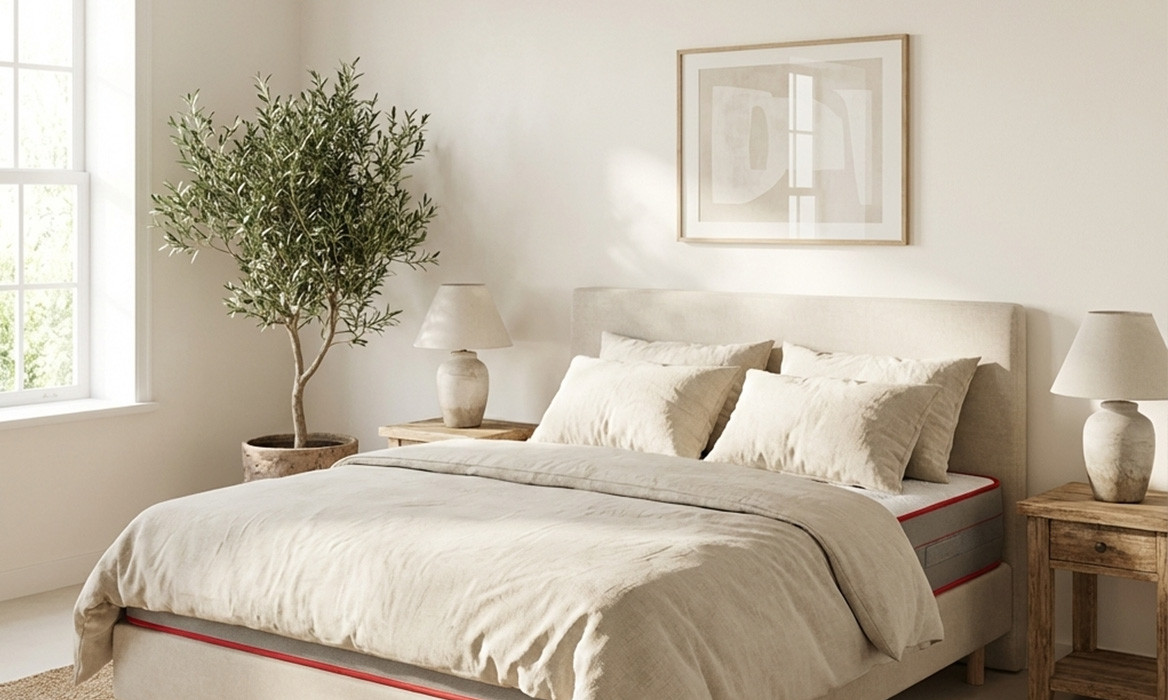
A master bedroom should convey balance, comfort, and tranquility. In addition to choosing a good mattress and a suitable bed frame, plants for the master bedroom can reinforce this feeling of well-being.
Plants such as:
- Jasmine – a gentle aroma that helps you relax;
- Lavender – known for its calming properties;
- Ficus Elastica Robusta – elegant, hardy, and easy to care for;
They are ideal options for creating a serene and welcoming environment.
If you are looking for the best plant for your bedroom, the choice will depend on the available light, space, and how much maintenance you are willing to do.
Plants that shouldn't be in the bedroom
Not all plants are suitable for relaxation areas. There are plants that should not be kept in bedrooms, either because they are toxic, have an overly strong smell, or are potentially allergenic.
Among the species to avoid are oleander, hydrangea, strongly scented lilies, and plants with fuzzy leaves that easily accumulate dust.
If you have children or pets, this selection should be even more careful.
How to integrate plants into your bedroom
- Choose one or two suitable species;
- Place them near the window, taking into account their light requirements;
- Avoid placing them directly on the headboard;
- Match them with the decor, headboard, and box spring for a harmonious environment.
A simple plant for bedrooms can make the space more welcoming without compromising rest, as long as you choose plants that are safe to have in the bedroom.
Plants and sleep: a complement to comfort
Plants help create a more pleasant environment, but they are no substitute for the essential elements of rest: a good mattress, a suitable base, and a comfortable pillow.
At Mercado do Colchão, we know that sleeping well depends on a number of factors, such as adequate light, a balanced sleep routine, a comfortable temperature, and a mattress that suits your needs.
The best plants for your bedroom can complement this environment, making it more natural and relaxing. The important thing is to choose the right species, avoid unsuitable plants, and maintain balance in the space.