

Posted by Mercado do Colchão on August 7, 2026
Respiratory Allergies and Sleep: How to Get a Better Night's Rest
Getting a good night's sleep is essential for people with respiratory allergies. Nasal congestion, sneezing, coughing, or difficulty breathing are symptoms that tend to worsen at night, compromising sleep quality and well-being throughout the day.
Although allergy treatment should be supervised by a healthcare professional, there are steps you can take to help reduce exposure to allergens at night. From choosing the right mattress to maintaining good hygiene habits in the bedroom, small precautions can make a big difference in the quality of your sleep.
Respiratory allergies: Why do they affect sleep so much?
Respiratory allergies are reactions of the immune system to substances found in the environment, such as dust mites, pollen, mold, or animal dander. Among the most common are allergic rhinitis and allergic asthma.
At night, symptoms may worsen due to prolonged exposure to allergens that have accumulated in the mattress, pillows, and bedding.
As a result, the following may occur:
- Frequent awakenings during the night;
- Difficulty falling asleep;
- Fragmented sleep;
- Feeling tired upon waking;
- Drowsiness and reduced ability to concentrate during the day.
Maintaining a healthy sleep environment can help minimize these factors and promote more restful sleep. Find out how to make your bed for a better night's sleep.
How to Sleep with Rhinitis: Strategies for Better Sleep
Allergic rhinitis is one of the most common respiratory allergies and is characterized by symptoms such as sneezing, a stuffy nose, a runny nose, and an itchy nose. These symptoms tend to worsen at night, significantly affecting sleep quality.
When we lie down, the horizontal position causes mucus to accumulate in the airways and can make a stuffy nose feel worse. In addition, prolonged exposure to allergens such as dust mites contributes to worsening symptoms throughout the night.
However, there are some steps you can take to help reduce discomfort and promote a more restful sleep.
Keep the room clean and free of allergens
Good bedroom hygiene is essential for minimizing exposure to dust mites and other particles that trigger allergic reactions. Vacuum the mattress, box spring, and floor regularly; wash your bedding weekly at a temperature of 60 °C; and avoid items that collect dust, such as rugs, heavy curtains, or stuffed animals.
Choose a breathable mattress made from hypoallergenic materials
A mattress plays an important role in creating a healthier sleeping environment. A breathable mattress promotes air circulation and reduces moisture buildup, while hypoallergenic materials help limit the presence of allergens, providing greater comfort and freshness in your sleep routine.
Control the humidity in the room
Dust mites thrive in warm, humid environments. Whenever possible, keep the relative humidity in the room between 40% and 60%, air out the room daily, and avoid drying laundry inside the room.
Elevate your head while sleeping with a neck pillow
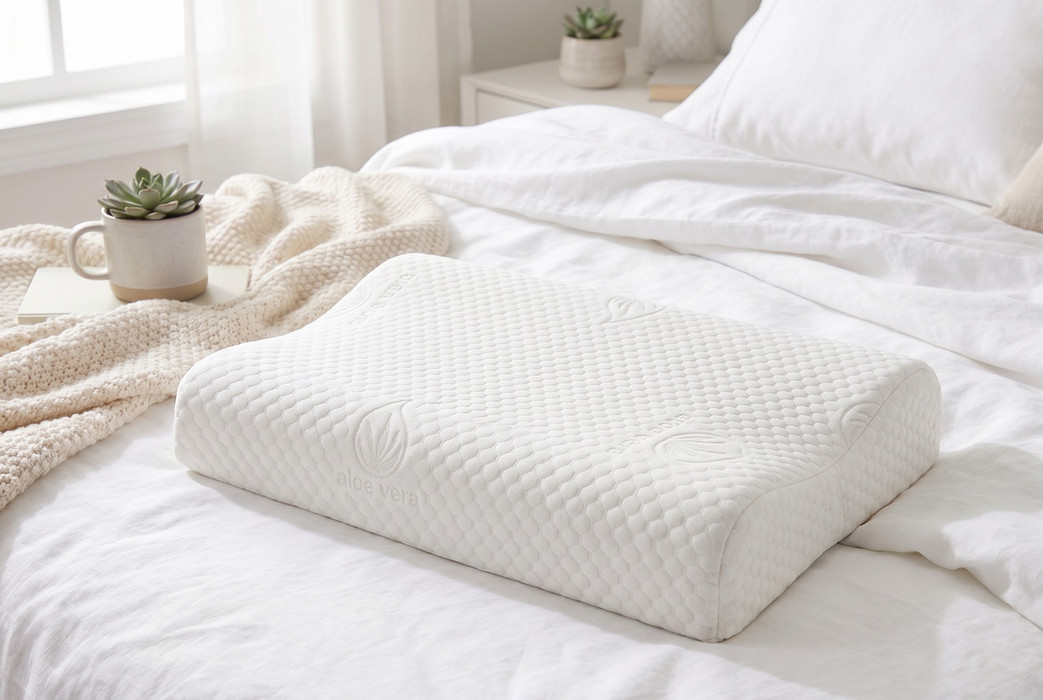
Raising your head slightly with a suitable pillow can help clear your airways and reduce the feeling of a stuffy nose, allowing for a more comfortable night’s sleep. This makes it easier to breathe through your nose at night, reducing the number of times you wake up due to breathing difficulties.
However, it is important to avoid raising your head too high, as this can create tension in the cervical region and compromise spinal alignment. Ideally, you should choose a memory foam pillow suited to your sleeping position and pair it with an orthopedic mattress that keeps your spine properly aligned, while ensuring comfort and good body support.
When symptoms persist or significantly interfere with your sleep, it is important to consult a healthcare professional. Treatment may include medications such as antihistamines or nasal corticosteroids, which help control inflammation and improve the quality of your sleep.
When should you replace your hypoallergenic mattress?
Over the years, it’s natural for a mattress to accumulate dust, dead skin cells, moisture, and other debris that can encourage the presence of dust mites and compromise the hygiene of your sleeping environment.
In general, it is recommended to replace a mattress every 7 to 9 years, although this timeframe may vary depending on the quality of the materials, frequency of use, and maintenance. If the mattress shows signs of sagging, loss of firmness, makes noises, or no longer provides adequate support for the body, it may need to be replaced sooner.
In addition to replacing the mattress when necessary, it is recommended that you vacuum it regularly, use a washable mattress protector, and air out the room daily. These simple steps help maintain the mattress’s hygiene and improve the quality of your sleep.
Respiratory allergies can have a significant impact on sleep quality, leading to poor sleep at night and increased fatigue during the day. Although it is not possible to completely eliminate allergens from the environment, you can reduce your exposure through proper hygiene habits and by choosing a mattress that suits your needs.