

Posted by Mercado do Colchão on September 11, 2026
Back to School: How to Help Children and Teens Get Back on Track with Their Sleep Routine
The start of the school year brings back schedules, routines, and more demanding days. After the summer break, a good sleep routine is essential for children and teens to wake up with more energy and be ready for the new school year.
In addition to gradually adjusting your sleep schedule, your sleeping environment also makes a difference. A comfortable bedroom and a suitable mattress help create the right conditions for more peaceful and restful nights.
Why is a sleep routine so important when school starts again?
Getting a good night’s sleep has a direct impact on how children and adolescents go about their day. Sleep is linked to attention, memory, learning, behavior, and emotional regulation—areas that are particularly important at a stage when the brain is constantly receiving and consolidating new information.
Sleep needs vary with age. In general, children between the ages of 6 and 12 should get between 9 and 12 hours of sleep per night, while teenagers between the ages of 13 and 18 should get between 8 and 10 hours.
In practice, a child who needs to wake up early for school cannot catch up on sleep just on the weekend. Maintaining a consistent schedule throughout the week is one of the foundations of a healthy sleep routine.
Adjust your sleep schedule gradually
One of the most common mistakes when going back to school is trying to change the schedule overnight. If a child or teenager has gotten used to going to bed late during the summer break, it’s unlikely they’ll be able to go to bed two hours earlier just because school starts the next day.
Instead of making a sudden change, it's best to gradually adjust your bedtime and wake-up time one to two weeks before school starts, giving your body time to adapt to the new routine.
The goal is to start the first day of school with the new schedule already incorporated into the child’s sleep routine, so that the first week isn’t marked by sleep debt, difficulty waking up, and fatigue throughout the day.
A simple sleep routine works best
A bedtime routine doesn't have to be complicated. On the contrary, the more predictable it is, the easier it is for your body to recognize that it's almost time to rest.
Having dinner at a consistent time, slowing down the pace at home, taking a shower, laying out the next day’s clothes, and setting aside a few minutes for reading are examples of habits that help create this transition. The key is to follow a calm routine and avoid having bedtime feel like a sudden shift from intense stimulation to total silence.
For teenagers, this routine should be established with some degree of autonomy. Instead of simply setting a bedtime, it may be more effective to involve them in planning their schedule and explain how sleep affects their concentration, academic performance, and energy levels the next day.
Screens and Sleep: Why It's Worth Turning Them Off Earlier
Cell phones, tablets, computers, and video game consoles are part of everyday life for children—and especially for teenagers. The problem arises when they continue to use them right up until bedtime.
Sleep hygiene recommendations for children and adolescents include reducing exposure to electronic devices before bedtime and creating a calmer environment during the latter part of the day. Rather than letting cell phones become a source of conflict, it can help to establish a simple, consistent rule for the whole family: as bedtime approaches, screen time should be reduced.
A book, a quiet conversation, or simply a few minutes without notifications can help mark the difference between the active part of the day and a time to rest.
The classroom should also be ready for the new school year
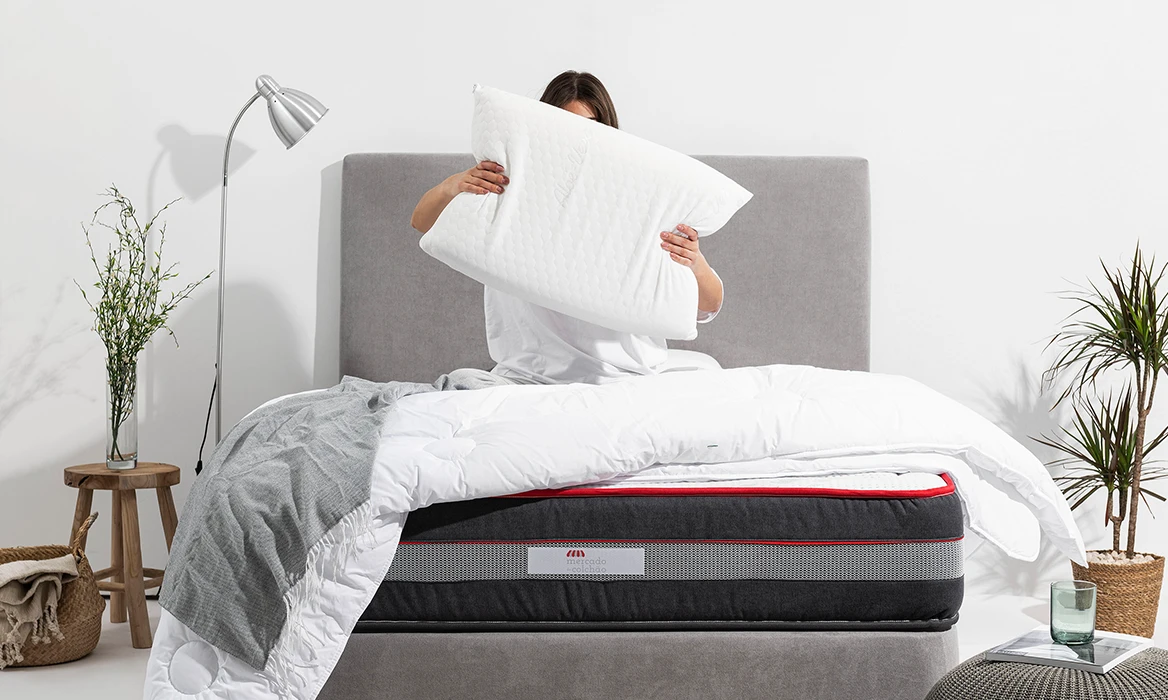
Getting back into a sleep routine isn't just about sticking to a schedule. The environment where the child sleeps should be conducive to rest: dim lighting, minimal noise, a comfortable temperature, and a bed where it's easy to relax.
It’s also a good time to check whether the mattress is still suitable for this stage of growth. During childhood and adolescence, the body changes rapidly, and the sleep system must keep pace with these changes, providing sufficient support, comfort, and space for sleep.
If you have questions about the right time to replace or choose a mattress for your little ones, be sure to check out our article “Children’s Mattresses: How to Choose the Best One,” where we explain the key criteria to consider as your child grows.
A good mattress is part of a healthy sleep routine
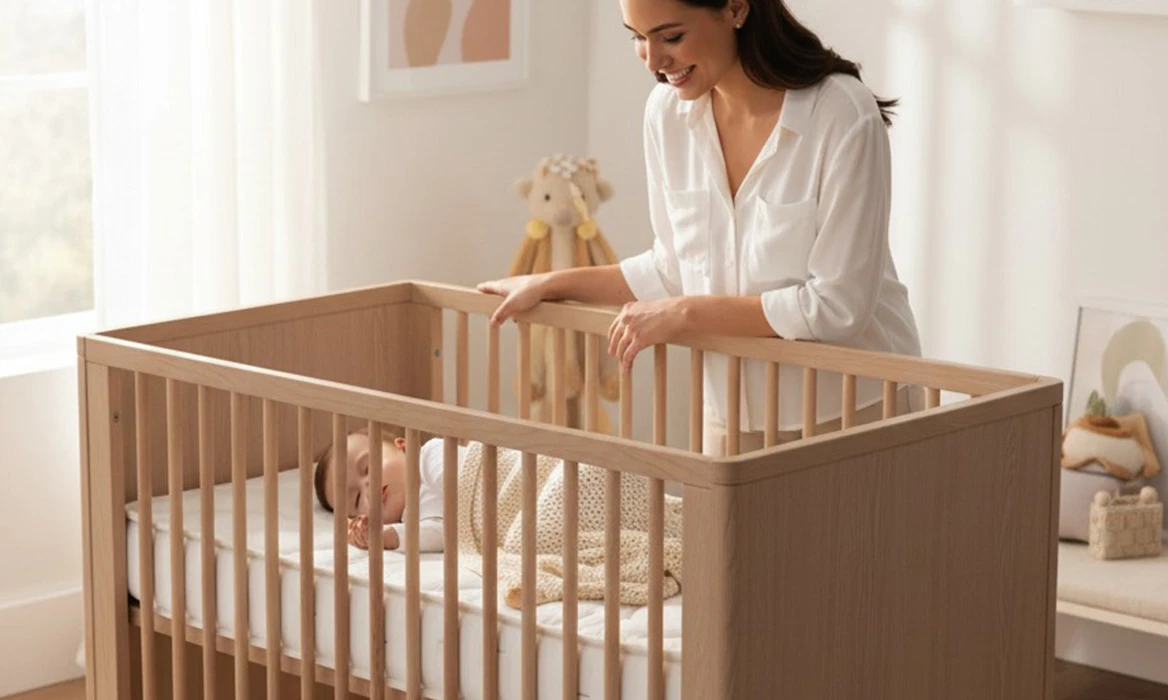
When it comes to children's sleep, a mattress shouldn't be chosen based on size alone. Balanced firmness, ergonomic support, breathability, and appropriate materials are important features for creating a comfortable sleeping surface that's designed to support a child's growth.
At Mercado do Colchão, the Bambino Children's Mattress was developed specifically for children ages 2 to 14. Measuring 21 cm in height, it combines high-quality foam, a layer of memory foam, and Tencel fabric. Its design aims to balance support, breathability, and comfort, adapting to different stages of growth.
You can also browse the crib and children's mattresses category and compare different options based on age, available space, and sleep needs.
At Mercado do Colchão, you’ll find sleep solutions for different ages and stages of growth. Because getting ready for back-to-school also means making sure that, when it’s time for bed, the right conditions are in place to recharge and start a new day.